
 +91 91120 06096
How Laundry Services Handle Delicate & Premium Garments: A Fabric-by-Fabric Breakdown
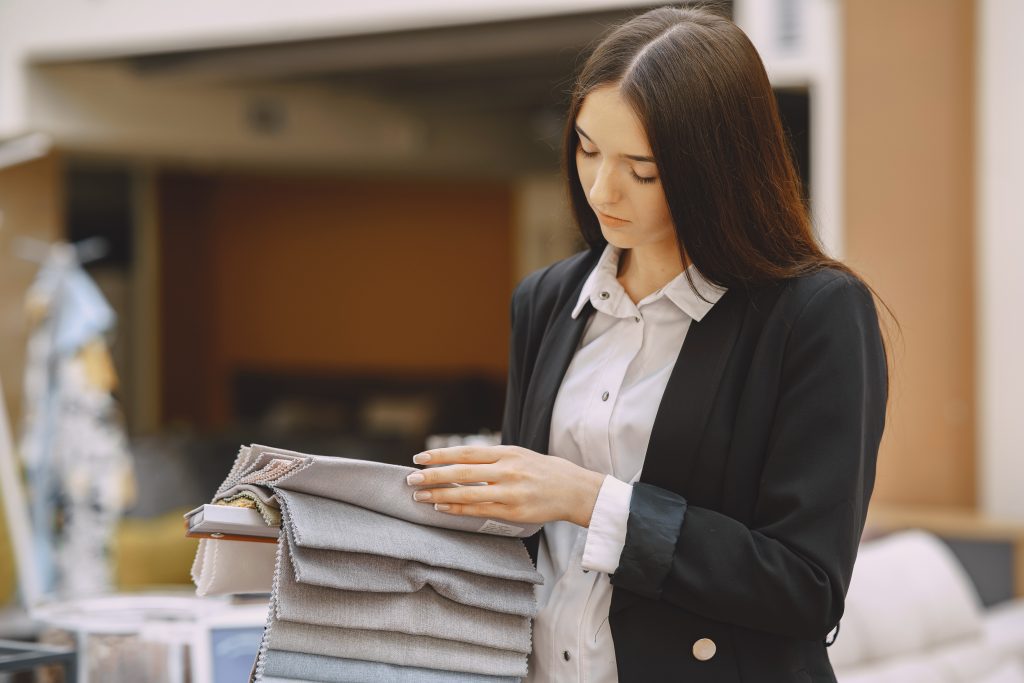
With premium clothing, it’s not just about looking clean — it’s about preserving delicate textures, fine fibers, and intricate detailing. Here’s how professional laundry services treat your silk, wool, linen, and designer garments with the kind of care that only experts can provide.
The Importance of Fabric-Specific CareEvery fabric behaves very differently under stress — heat, water, agitation, and chemicals all affect them uniquely. That’s why expert laundry services start by examining the care label, assessing fabric type, weave, embellishments, and any special stains. A one-size-fits-all wash can seriously damage delicate or expensive garments. Trained professionals know to separate items like silk from rougher fabrics, preventing color bleeding, pilling, or distortion.
By tailoring cleaning processes to individual fabric characteristics, laundry services maximize both cleaning effectiveness and garment longevity.
How Silk, Wool, and Linen Are Treated DifferentlySilk — This luxurious fiber is highly sensitive and can easily lose its sheen or distort. Laundry services typically use gentle, pH-neutral detergents and cold water. Over-soaking is avoided because it weakens the silk fibers. pkclaundries.com After washing, silk garments are carefully rinsed and air-dried flat or on padded hangers, never exposed to direct heat or sunlight.
Wool — Wool fibers have a scaly surface that can lock together when exposed to water and agitation, a process called felting. To prevent this, laundry pros use dry cleaning solvents or very gentle wet-cleaning cycles with wool-safe, enzyme-free detergents.Water temperature is kept low, and agitation minimized. After cleaning, the wool garment is reshaped when damp and dried flat to maintain its structure.
Linen — While linen is more robust, its tendency to wrinkle, shrink, or deform means it still needs special handling. In professional cleaning, linen is often washed on a gentle cycle, with moderate water temperatures, and enough spacing so it can move freely.
During drying, linen might be removed while slightly damp and finished (ironed) promptly to avoid permanent creasing.
The Process for Embroidered, Sequined, and Designer WearGarments with embroidery, sequins, beads, or other embellishments pose a different challenge. Before anything else, professionals inspect each item for loose threads, unstable stitching, or fragile adornments. Stain treatment is done gently using solvents or spot-specific agents that won’t damage the embellishments.
Depending on the fabric and decoration, cleaners may choose wet cleaning with controlled water action or solvent-based dry cleaning, which minimizes mechanical stress. After cleaning, finishing techniques like steaming, low-temperature pressing, or form finishing (using steam and air) help restore the garment’s original shape and drape without damaging the decorative elements.
Common Mistakes in Handling Delicate Garments at HomeMany people try to care for these clothes themselves — and that’s where things go wrong:
-
- Using hot water or harsh detergents can shrink or dull silk and wool.
-
- Ignoring care labels or washing “dry-clean only” garments in a regular machine risks damage and dye bleed.
-
- Overloading machines or skipping mesh laundry bags can cause snagging, stretching, and friction.
-
- Improper drying — like wringing out delicate items or drying them in direct sunlight — can easily deform or weaken fibers.
Quality control is central to any reputable laundry service. After cleaning, each piece is inspected again: experts check for residual stains, damage to seams or decorations, and verify that the fabric texture remains intact.
Then comes the finishing stage: pressing or steaming to remove wrinkles, while reshaping garments carefully to their original form. Structured or designer wear often undergoes form finishing, where steam and air are used in controlled settings to preserve structure and delicacy.
Finally, garments are packaged (sometimes in breathable fabric covers or padded hangers) to protect them until delivery.
Eco-Friendly Chemicals & Fabric Protection TechniquesModern laundry services increasingly rely on eco-friendly solvents and cleaning agents. Rather than harsh chlorinated chemicals, they opt for biodegradable, pH-neutral detergents and more sustainable dry-cleaning solvents, which are gentler on both fabric and planet.
To further protect delicate pieces, some services also use advanced finishing techniques like biopolymer-based textile conditioners. These help maintain softness and reduce friction between fibers without relying on harmful surfactants.
Why Expert Care Extends Garment LifeWhen you entrust delicate or premium garments to professionals, you’re investing in longevity. Expert care ensures:
-
- Fiber integrity — No shrinkage, felting, or fiber breakage.
-
- Fiber integrity — No shrinkage, felting, or fiber breakage.
-
- Structural stability — Embellishments stay intact, seams remain strong, and the shape is maintained.
-
- Softness and feel — Gentle, eco-friendly agents keep your fabrics feeling luxurious.
Over time, these benefits mean fewer replacements and better value from your investment pieces.
In conclusionLuxury garments deserve expert hands. Whether it’s a sequined gown, a pure silk saree, a wool blazer, or crisp linen shirts, professional laundry services ensure each fabric receives the treatment it was designed for — extending beauty, comfort, and life with every wash.